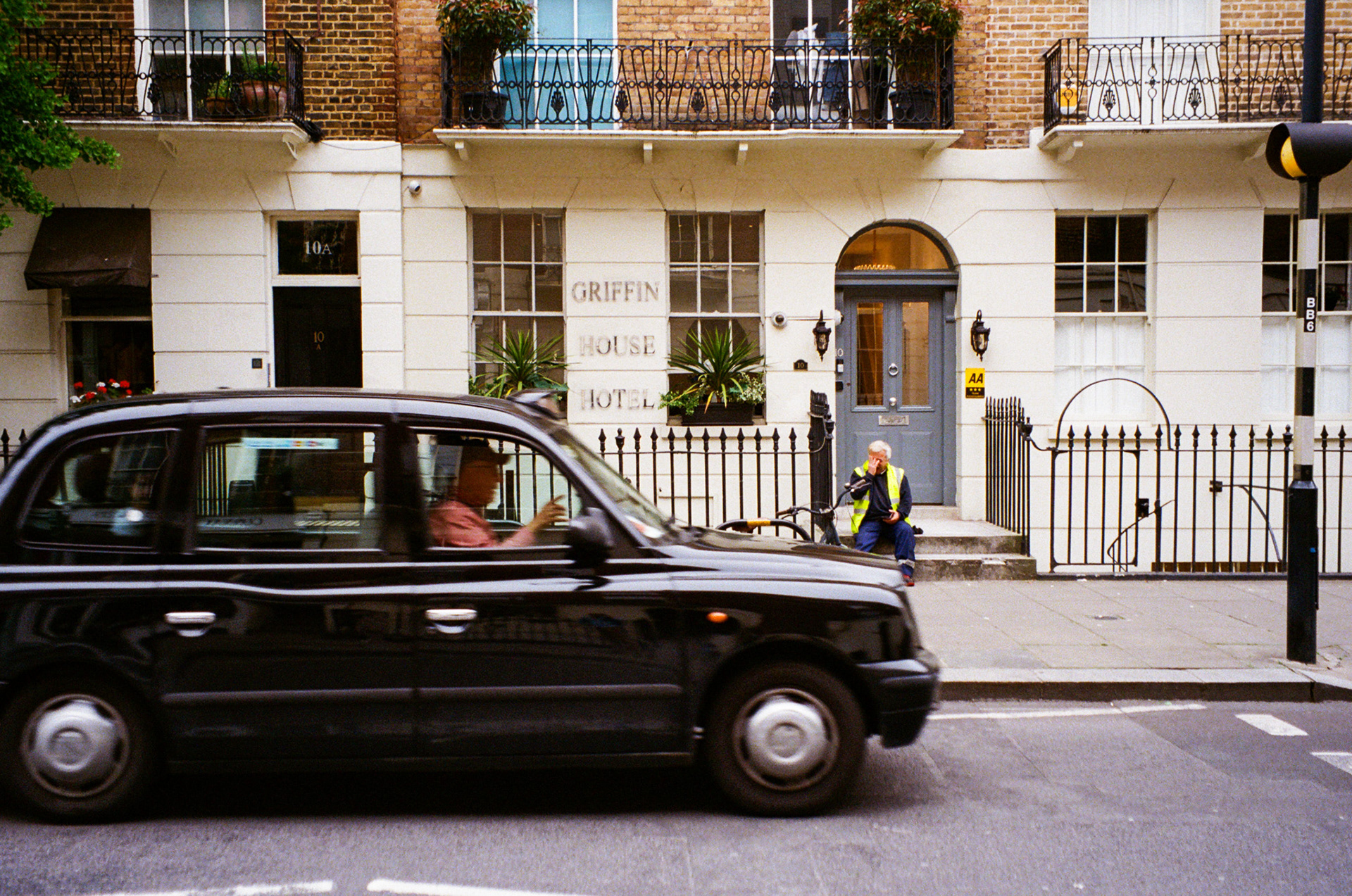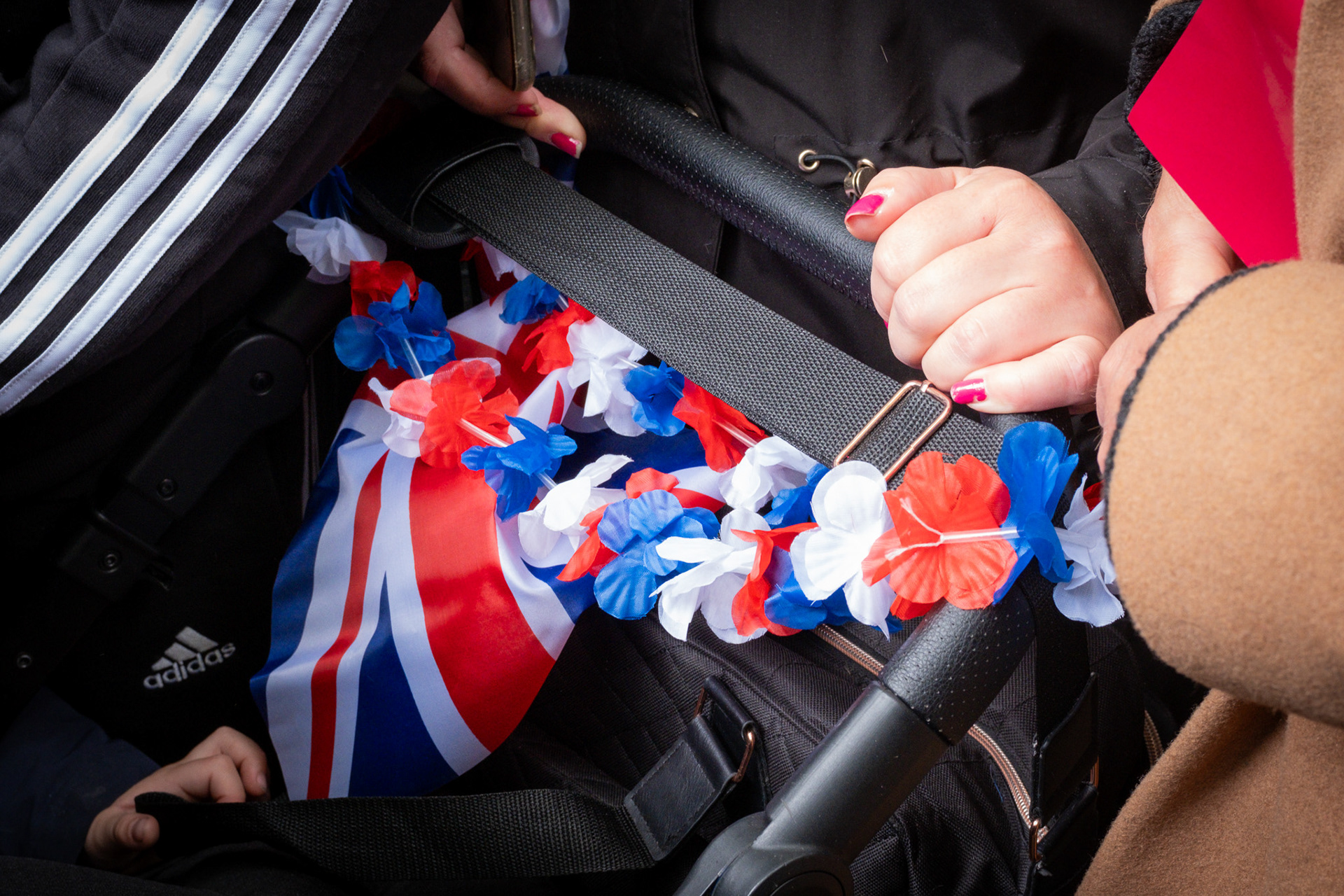
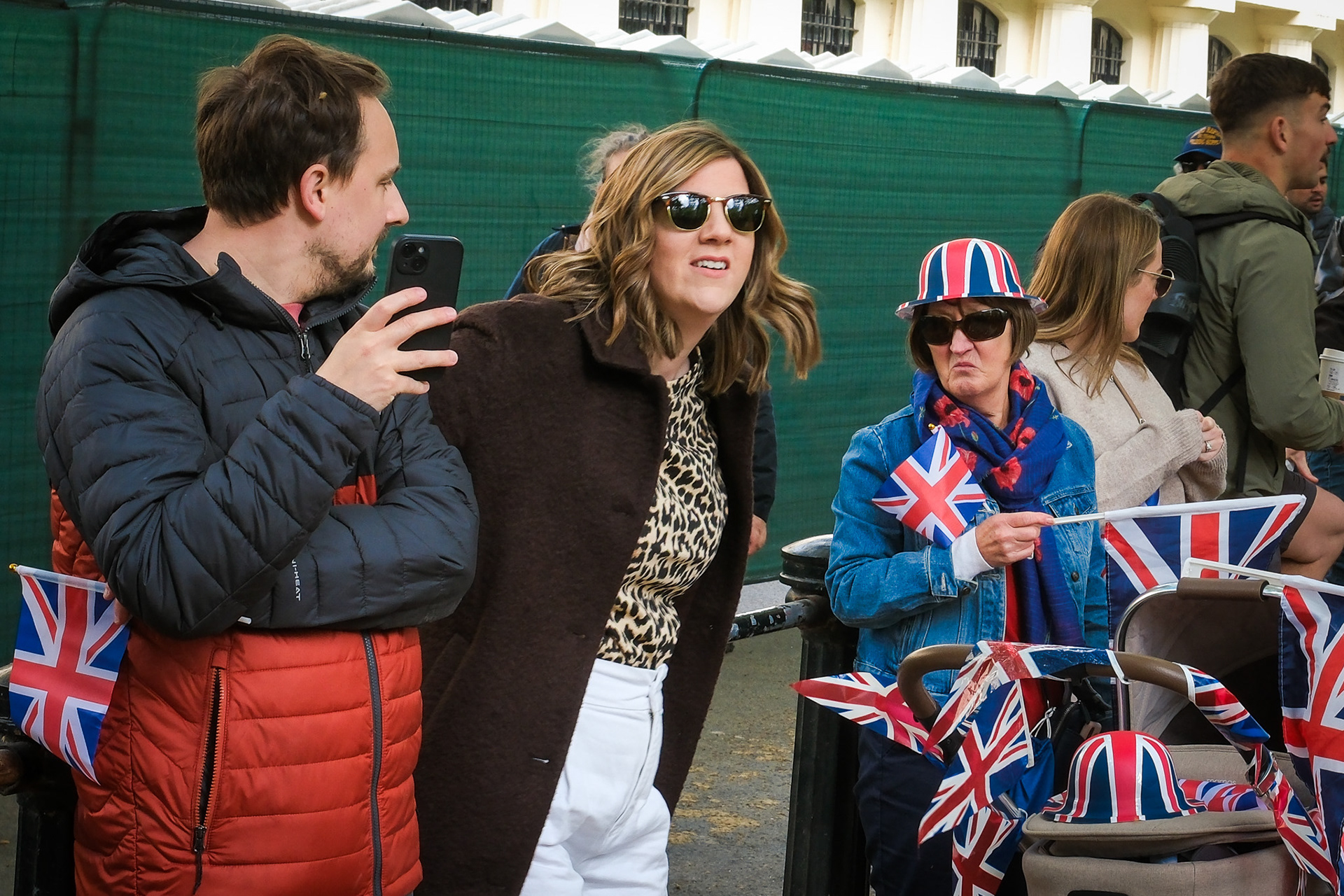
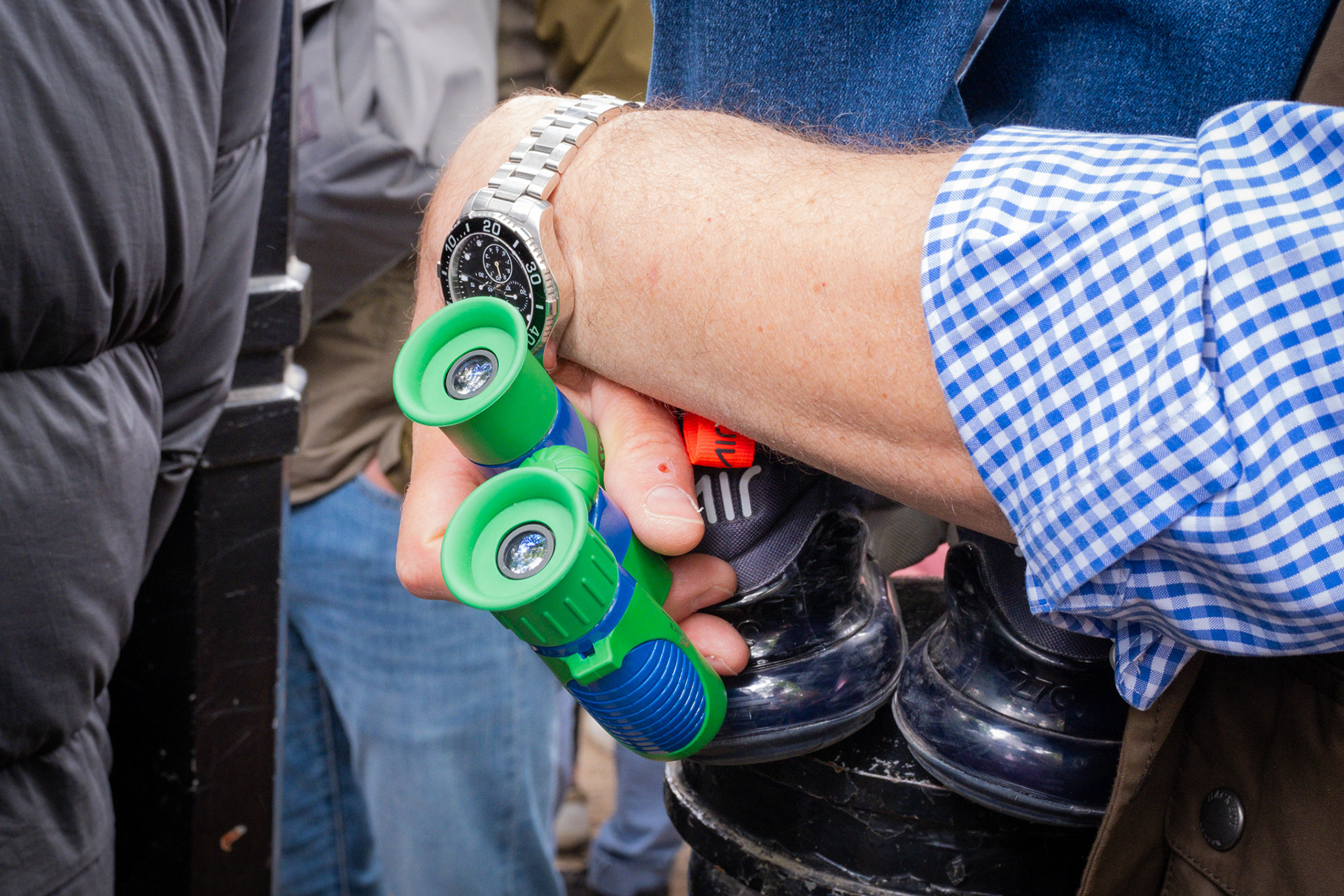
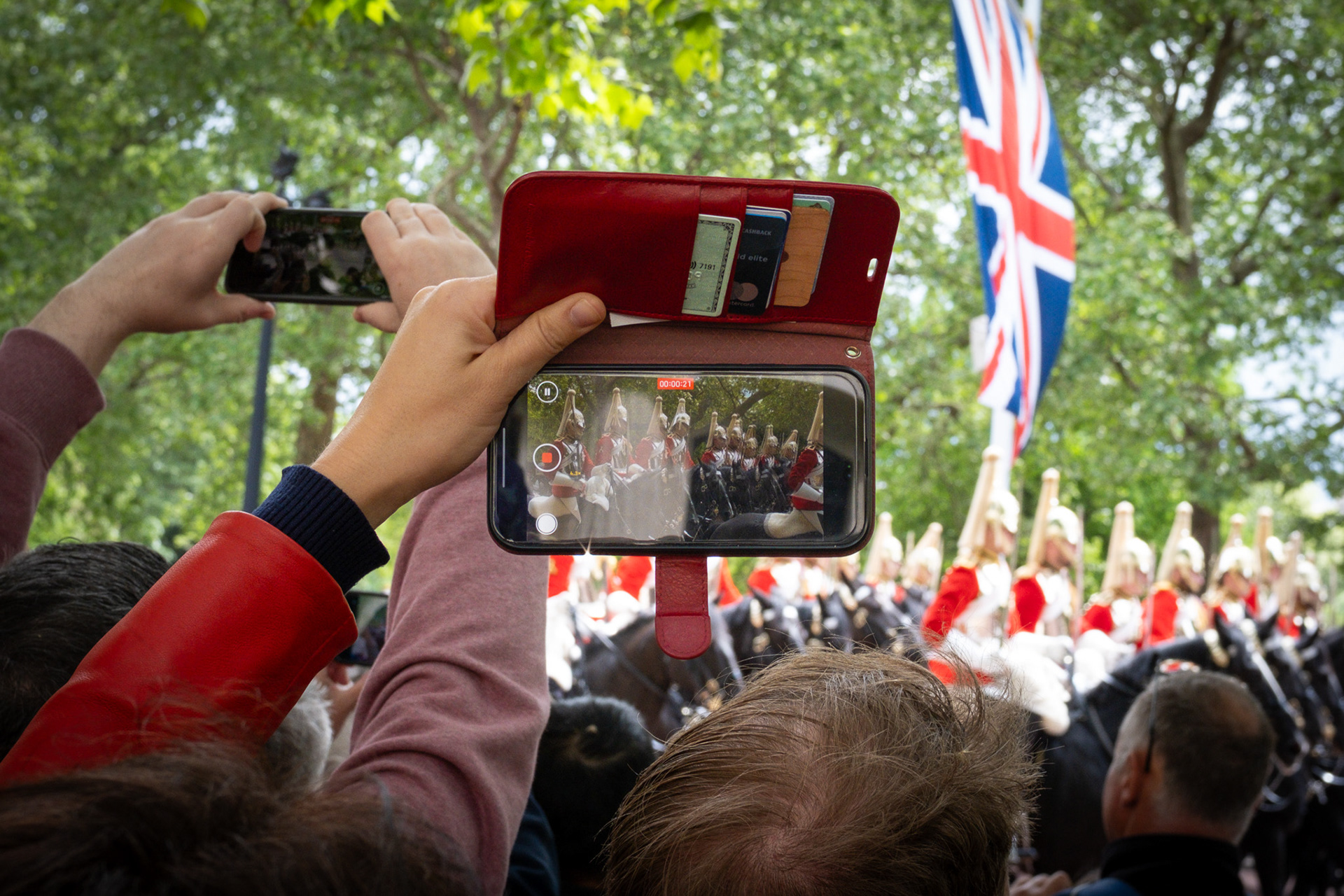
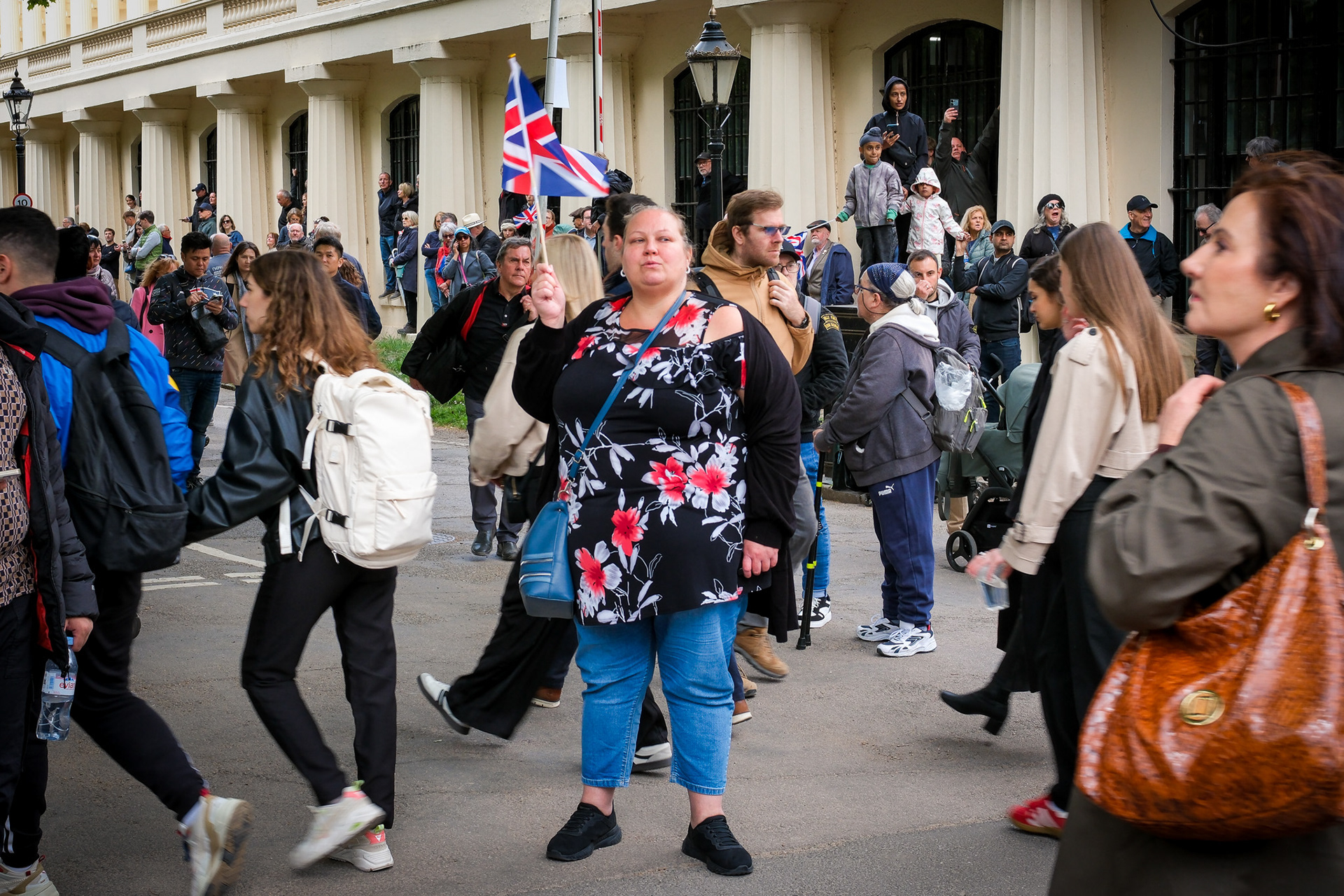
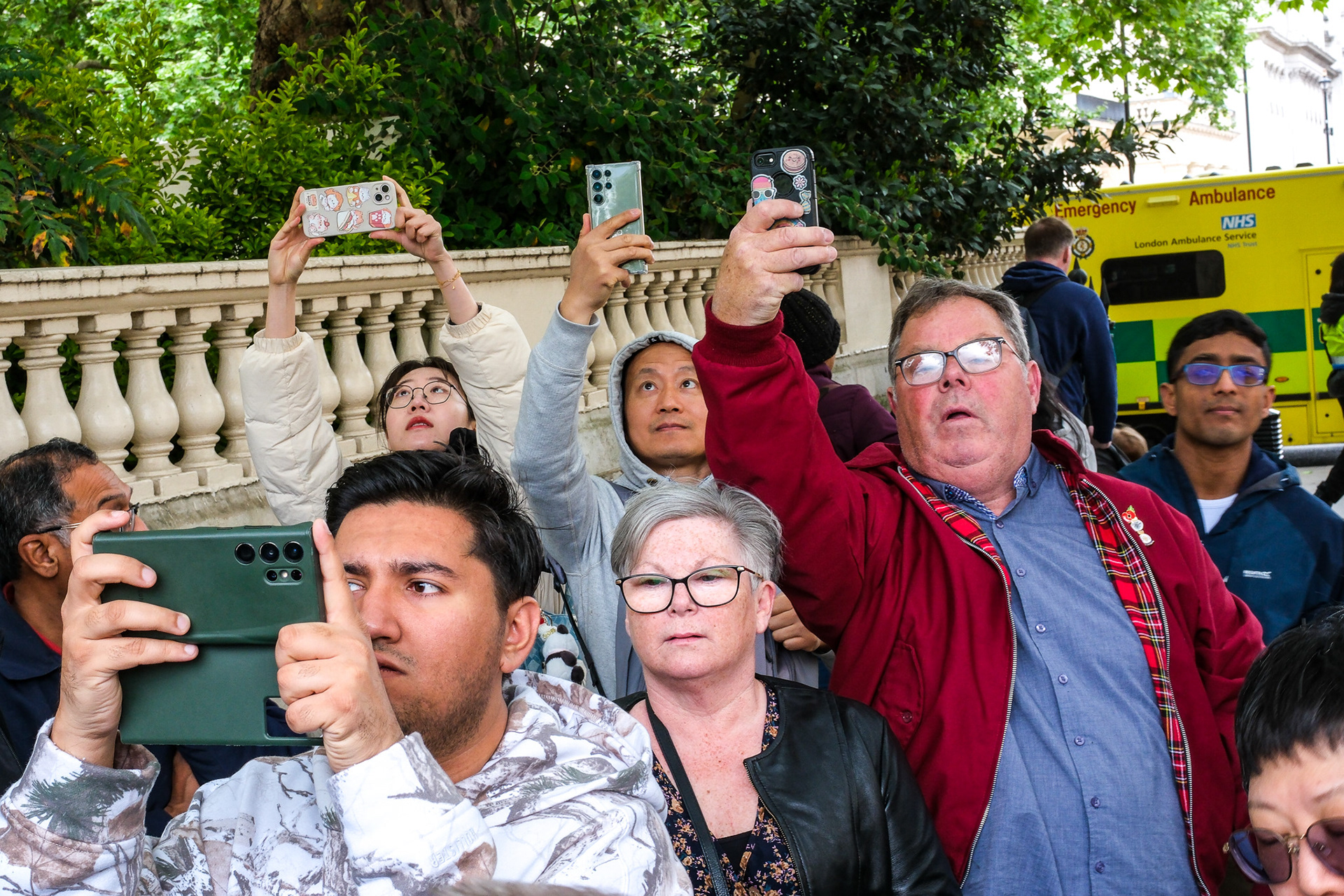
There’s a workshop I run on writing about your work, and the icebreaker exercise invites participants to share two words that describe their practice. One of mine would definitely be ‘voyeuristic’. It’s sufficiently titillating a word to linger on, conveniently descriptive of anyone who walks around in public with a camera strapped around their neck, and broad enough in interpretation to pose its own questions.
The other might be ‘collector’. It’s where my interest in photography stems from. The late-night scrolling of online auction sites, hunting for discarded snapshots of scenes losing their grip on context and wallet-sized prints of the newly anonymous. It also describes the need to seek out moments of interest, however fleeting they might be, and convert them into film negatives to be stored in their little wallet and filed in a biscuit tin.

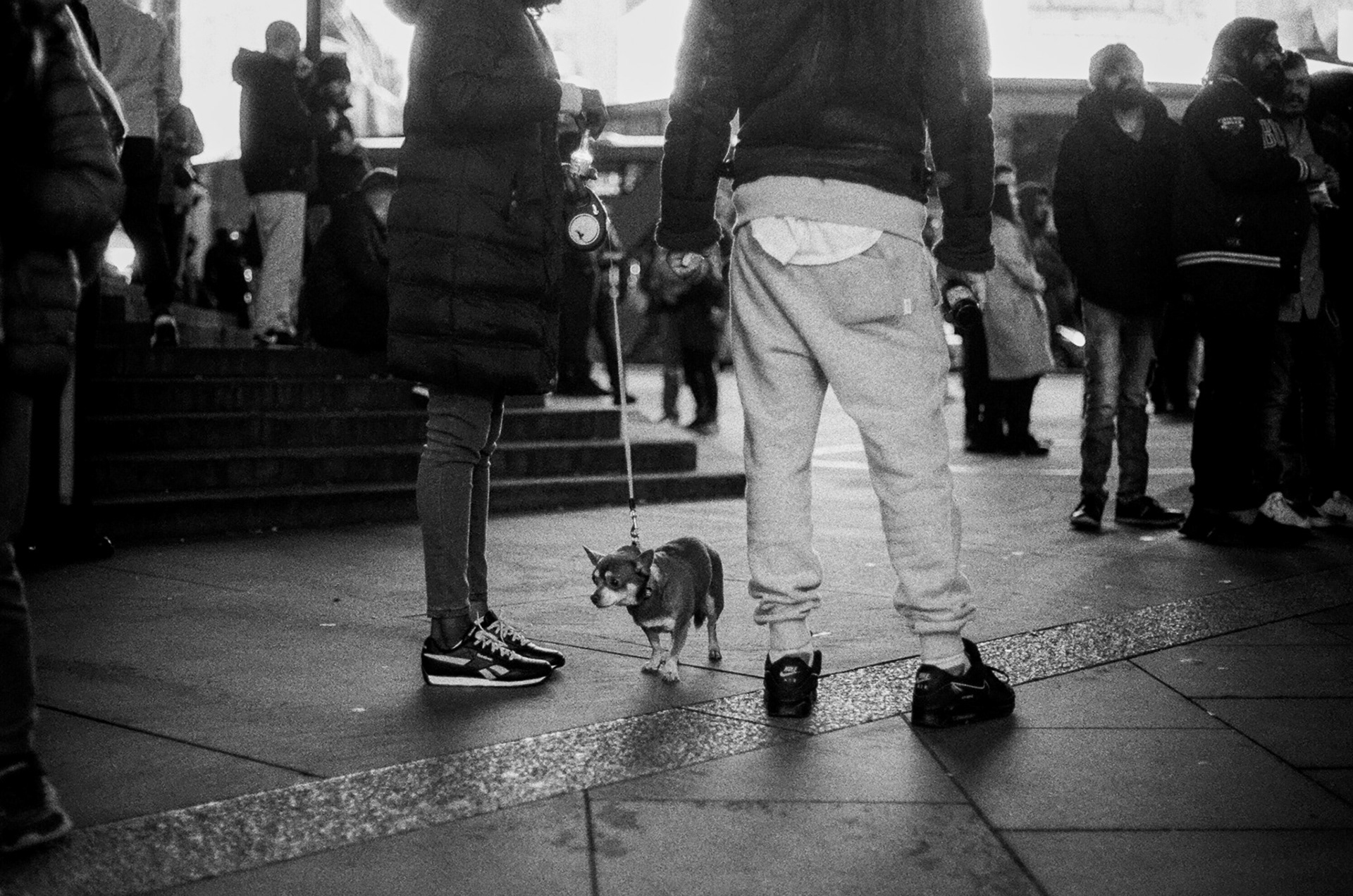
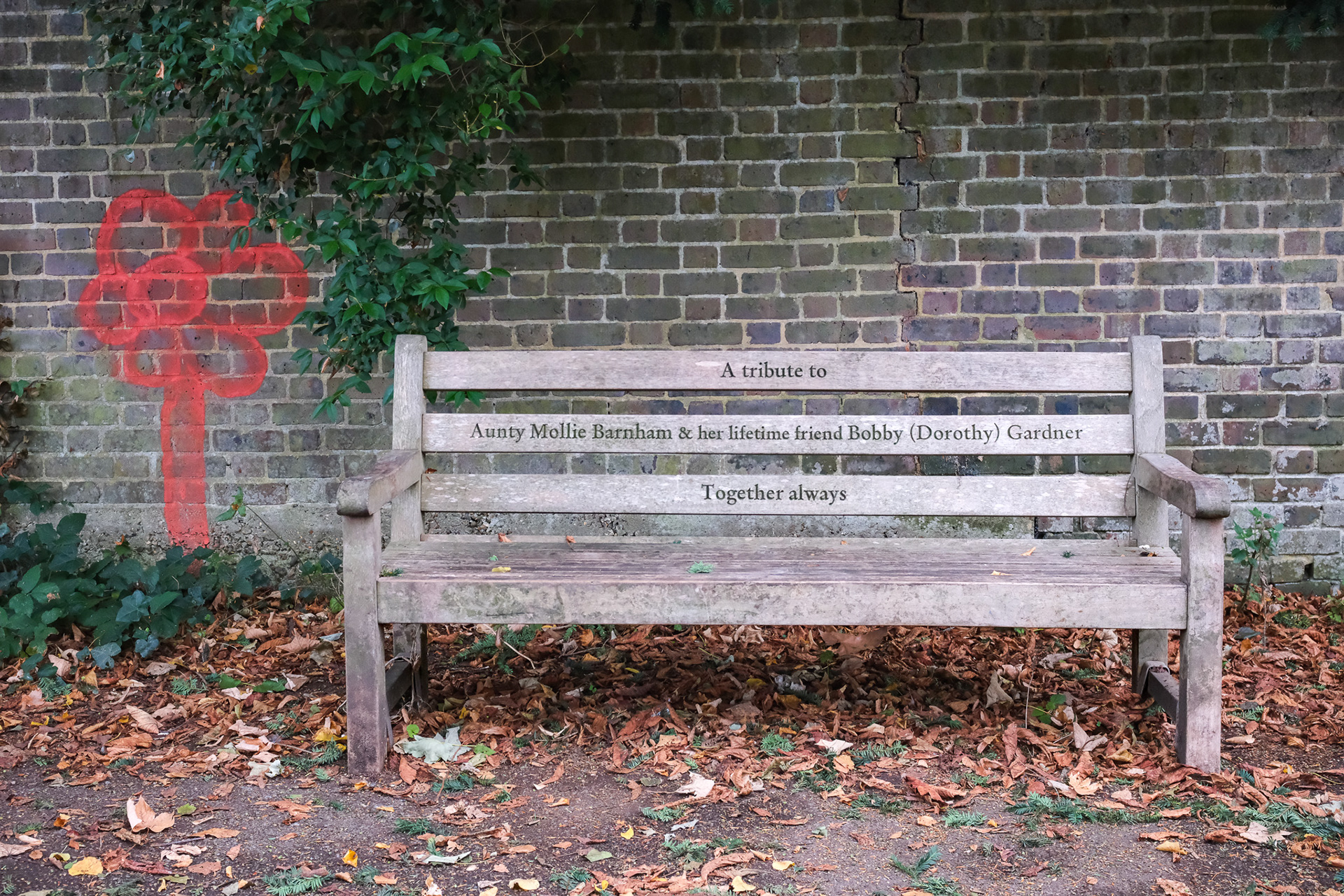
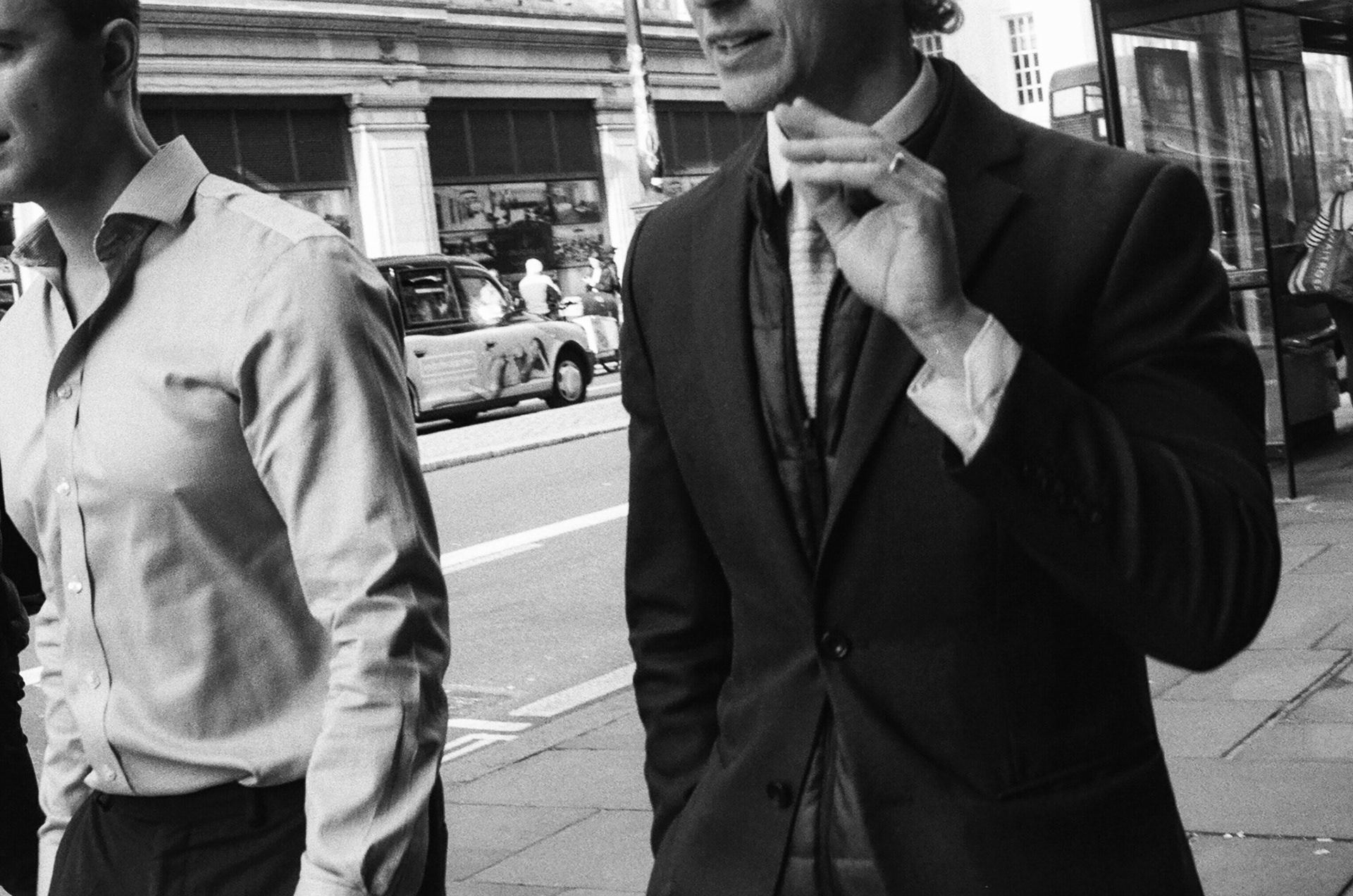
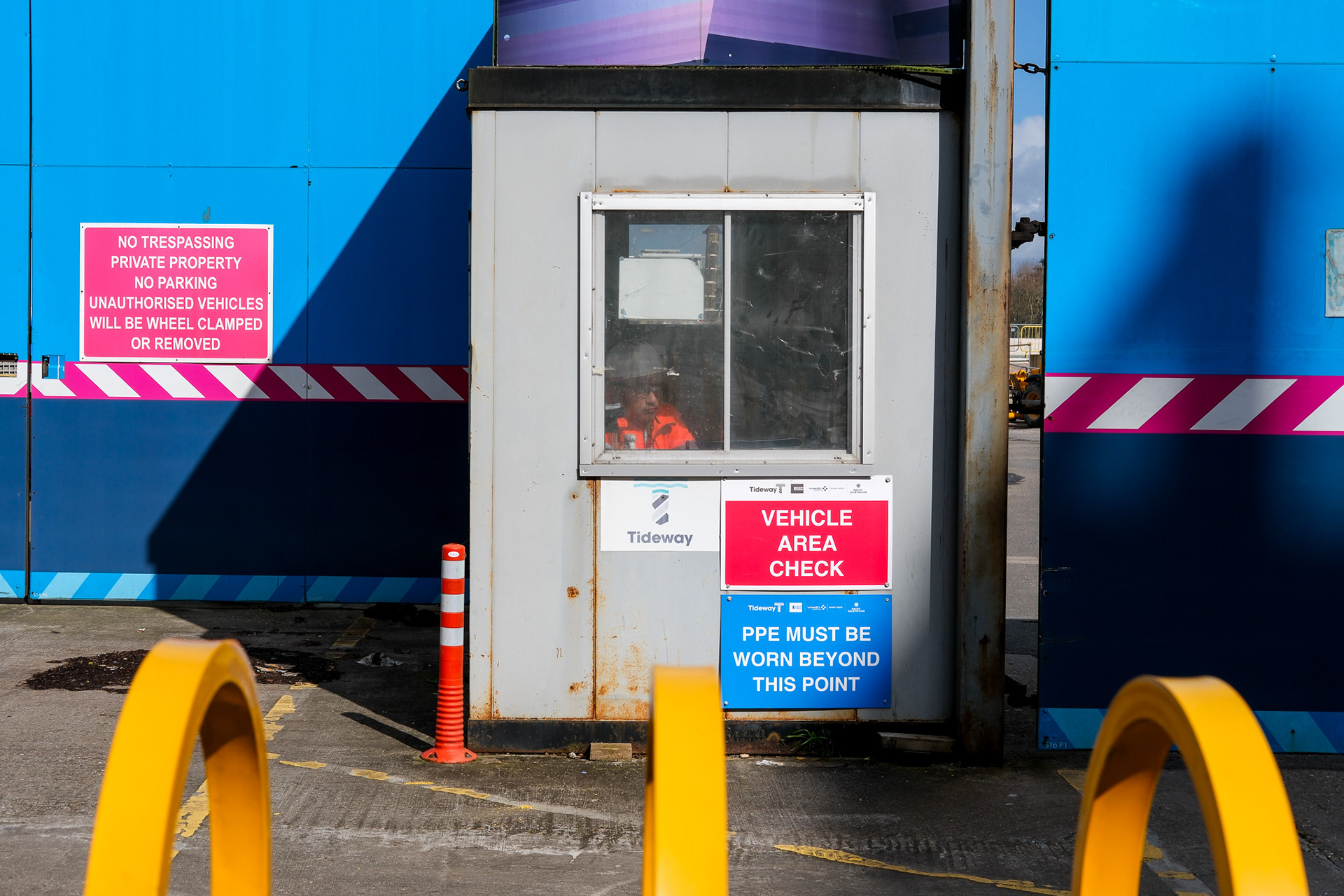
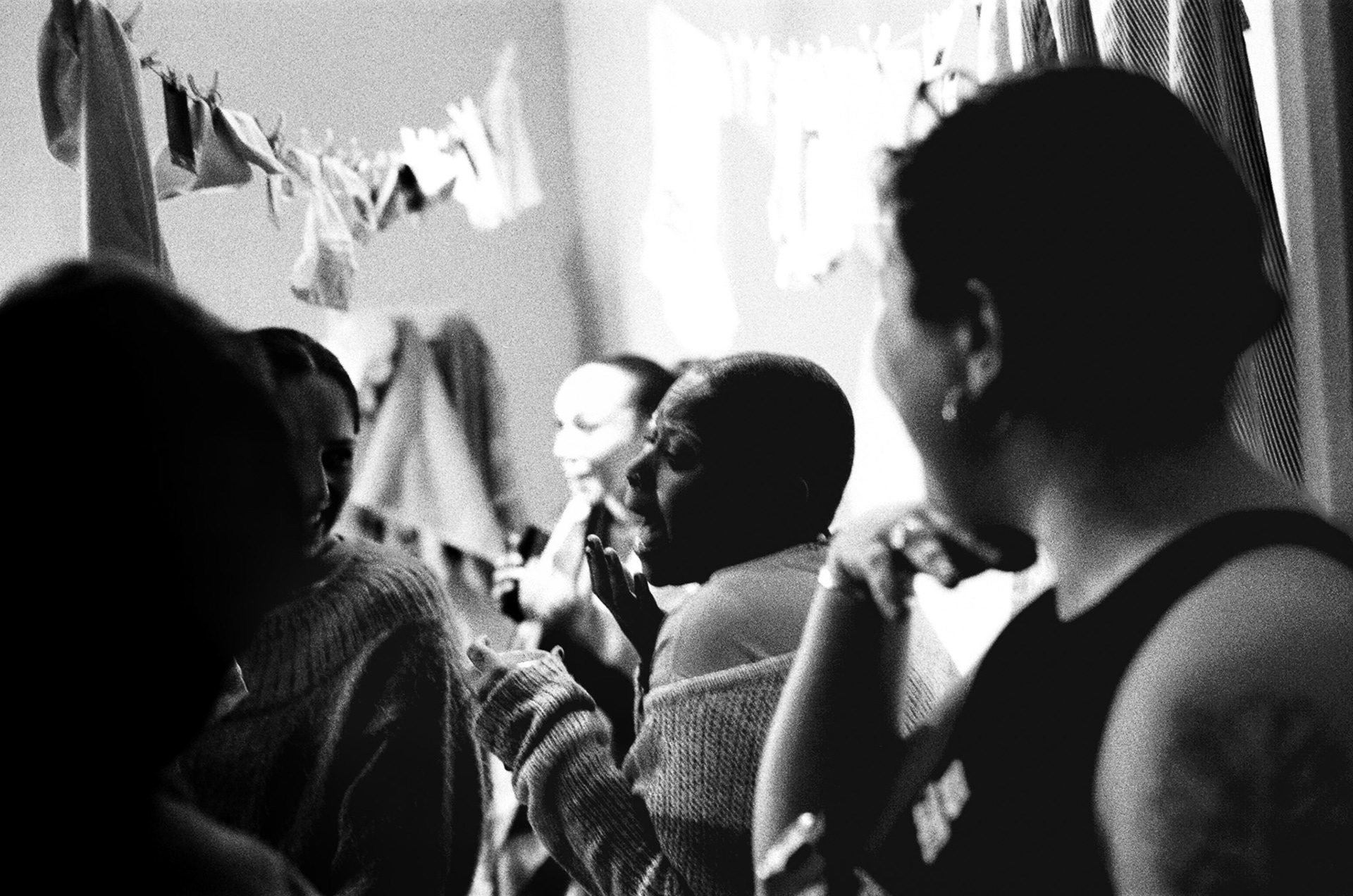
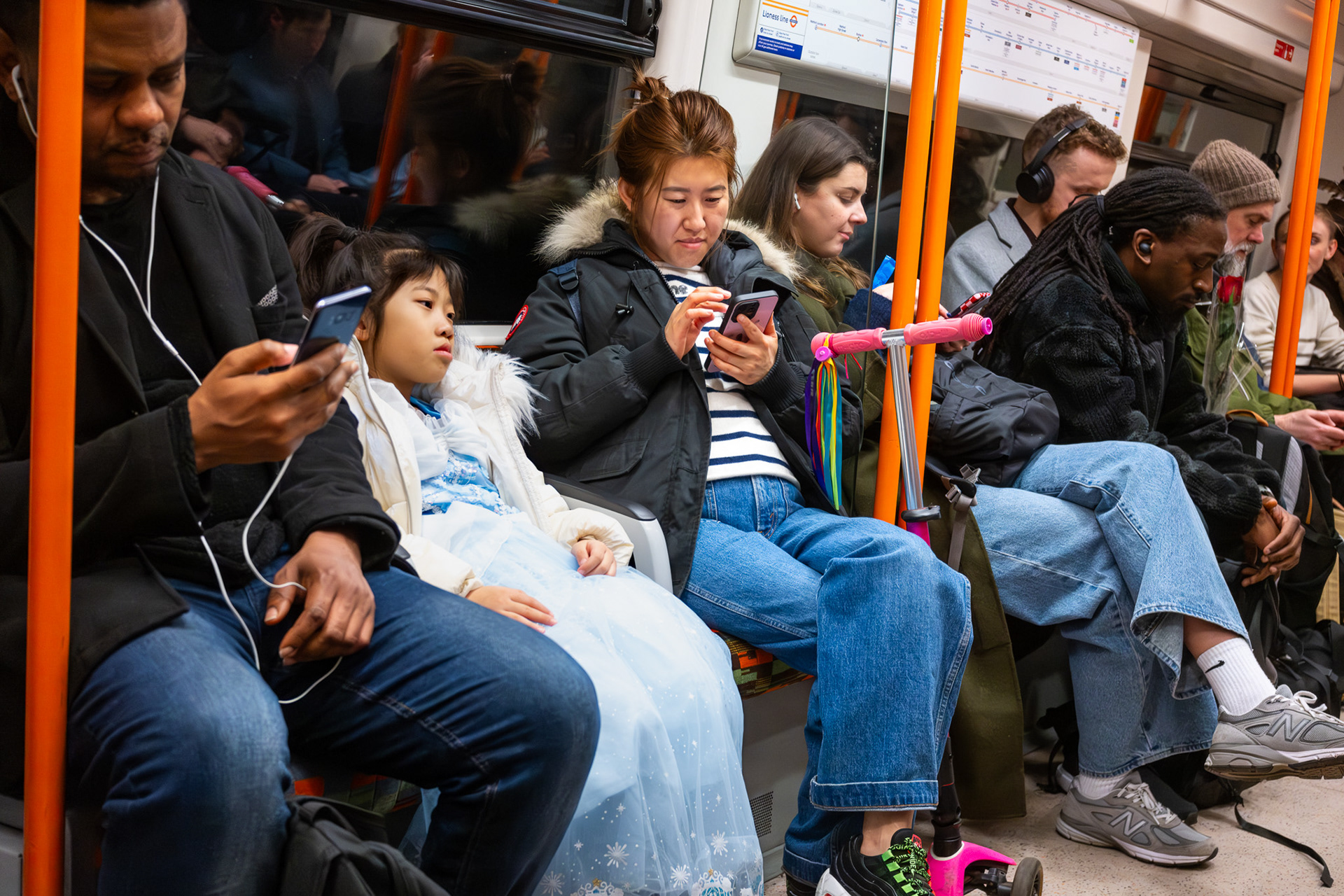
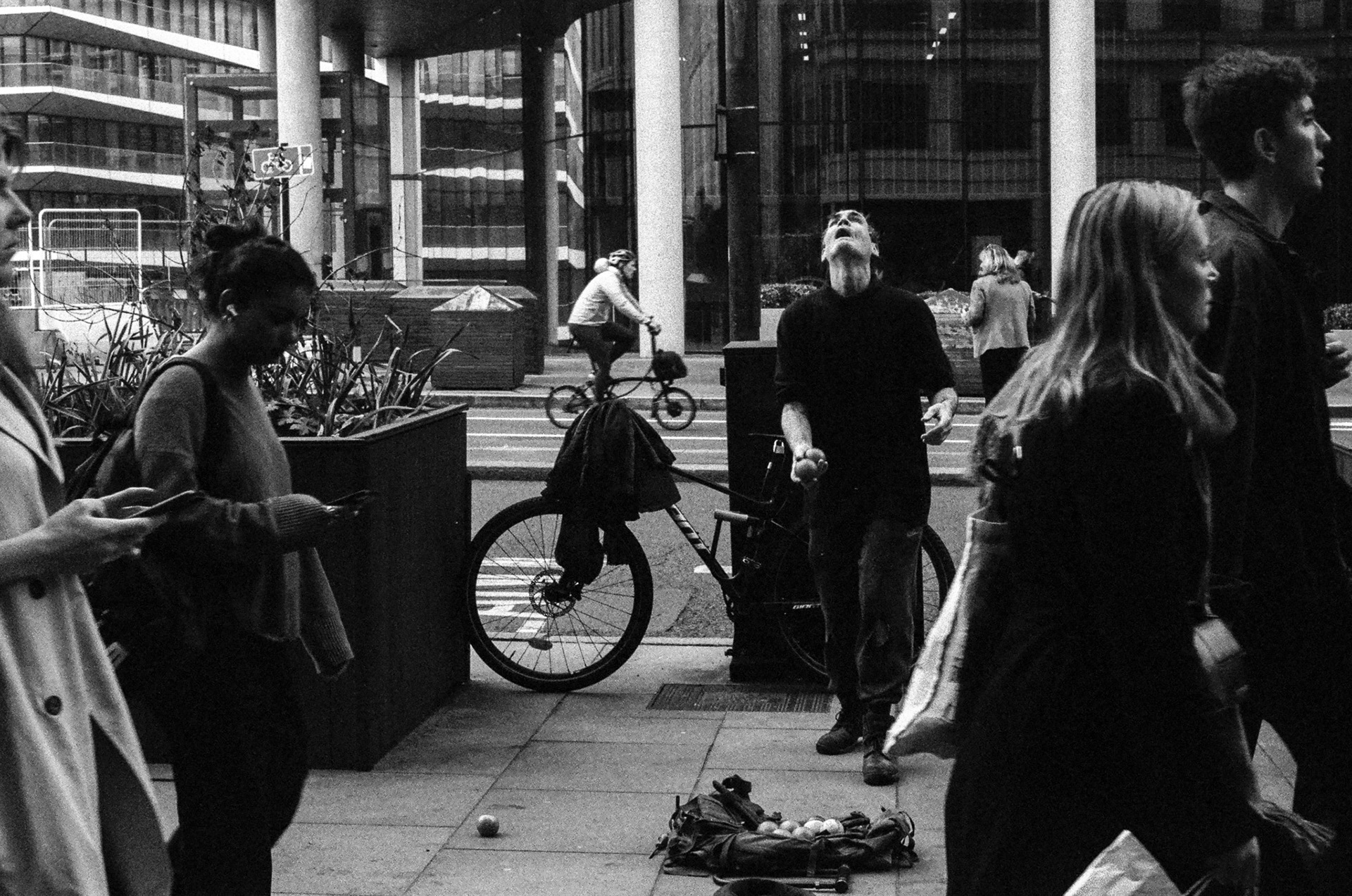
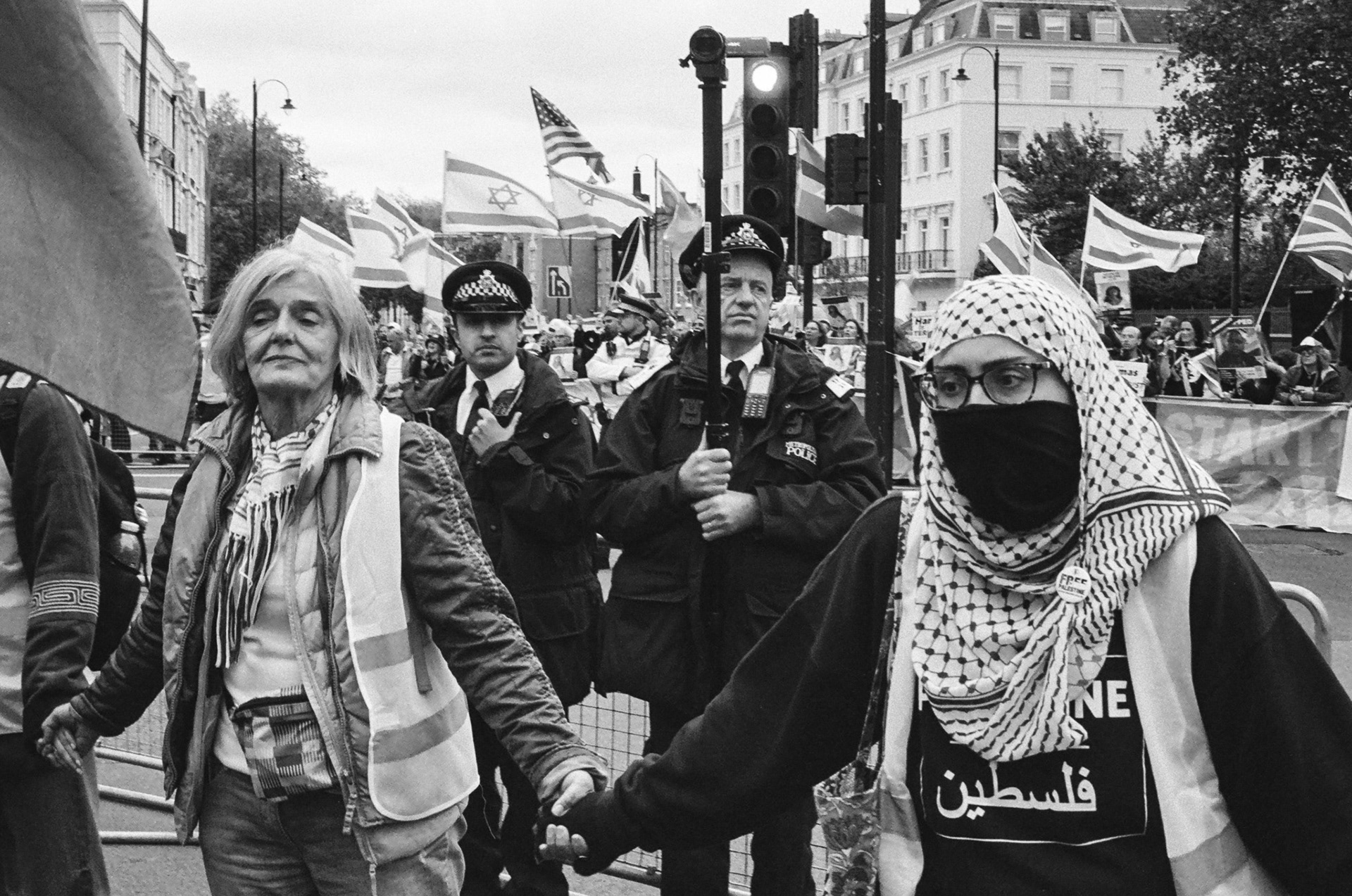
Taken together these two words emphasise the importance of the photographer in the scene and the relationship they have to their subjects, but they also highlight the ethical tension and power dynamic between the observer and the observed. What makes an image work for me is the combining of elements (people, places, detritus) to offer a narrative beyond the moment captured. In that sense, the people become actors, the places stage sets, and the detritus props. But that interpretation puts the photographer in the role of Director, which leaves them (me) imprinting their own vision, concept and will on to unwitting individuals.
Being in densely packed cities affords an anonymity you don’t get in suburban or rural environments, and that’s something I’ve always found solace in. They offer the possibility of being no one or anyone, and I hope those caught in my photographs embrace that possibility too.
Or perhaps I’m just trying to validate the actions of a voyeuristic collector.